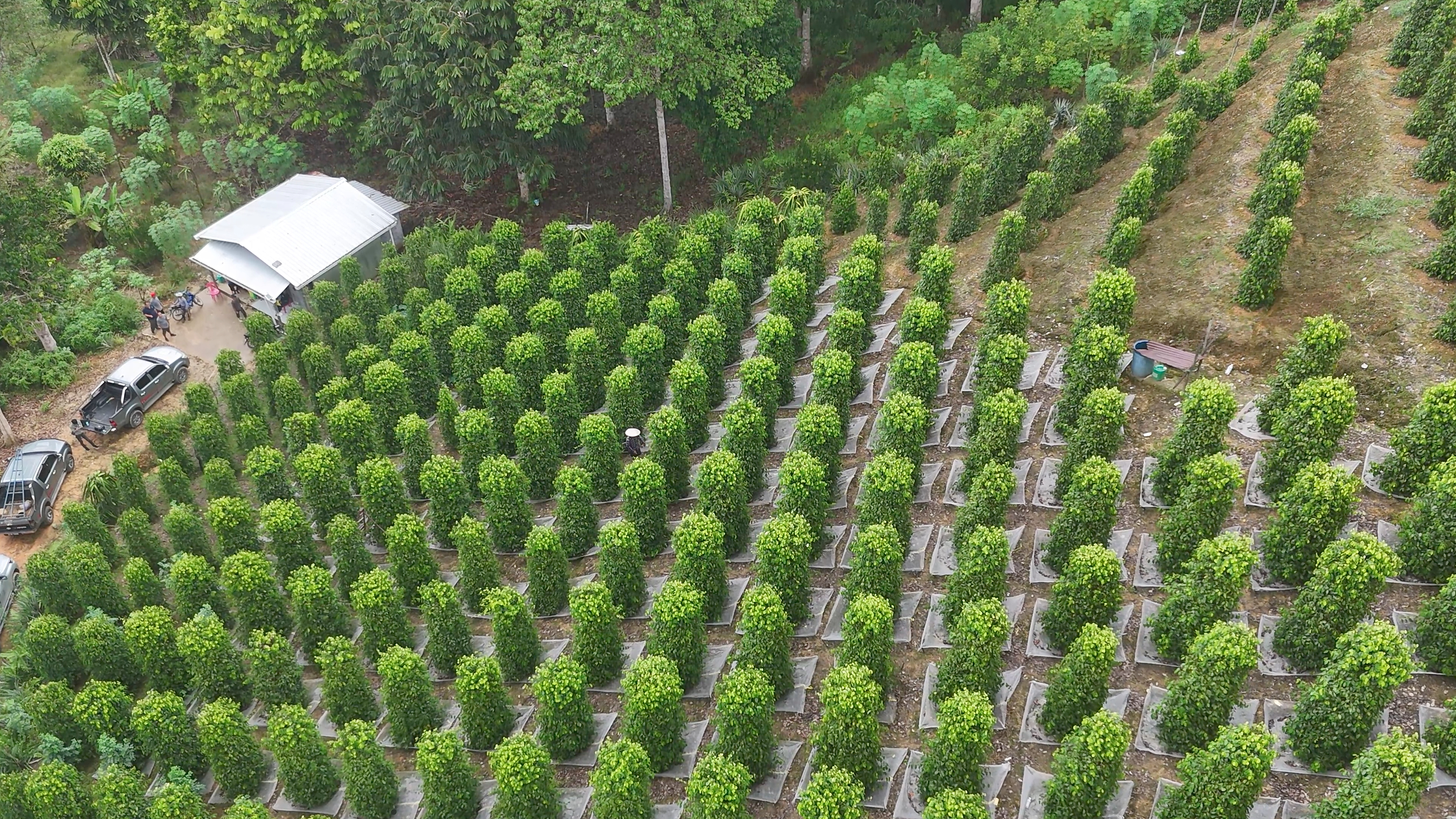
Urban Seed logged its highest-ever harvest in its 15th operating season, with volunteers at its Eastpointe and South Warren community gardens donating 2,037 pounds of fresh produce in 2026 — an 18% increase over the organization's prior record set just one year earlier.
The Numbers
The back-to-back record harvests underscore accelerating output from the two Michigan-based gardens. A gain of 18% in a single year is a meaningful step-change for a volunteer-driven operation, where yield growth typically tracks slowly against constraints of land, labor availability, and seasonal weather. The 2,037-pound total represents fresh vegetables and fruit redistributed directly to community recipients rather than sold commercially.
Why It Matters
Community gardens have drawn increasing attention from foodservice operators, municipal planners, and food-access advocates as a low-cost node in the local food supply chain. For the broader food and beverage industry, organizations like Urban Seed sit at the intersection of food security and hyperlocal sourcing — a space that has attracted both corporate social-responsibility investment and policy interest in the years since the pandemic exposed gaps in regional food distribution networks. The 18% year-over-year volume gain also signals that volunteer-led models can achieve compounding output growth when organizational systems mature, a data point relevant to nonprofits and community-development partners evaluating garden programs as food-access infrastructure. Coverage of similar community-sourcing trends has appeared across Food & Beverage Magazine, which tracks the convergence of local agriculture and foodservice supply.
Looking to 2027
Urban Seed has indicated its 2027 strategic priority shifts from harvest volume toward organizational durability — building the internal structures, volunteer pipelines, and operational frameworks needed to sustain and scale output over the long term. That framing suggests leadership views the record harvest less as a ceiling than as a baseline, and that future growth will depend on institutional capacity rather than seasonal effort alone. For food-access stakeholders and potential corporate partners evaluating community-garden programs, the pivot toward organizational sustainability is a signal of programmatic maturity. Readers tracking the community food access and local sourcing beats will want to monitor whether Urban Seed's model attracts new funding or partnership interest as it enters its next chapter.
Written by Michael Politz, Author of Guide to Restaurant Success: The Proven Process for Starting Any Restaurant Business From Scratch to Success (ISBN: 978-1-119-66896-1), Founder of Food & Beverage Magazine, the leading online magazine and resource in the industry. Designer of the Bluetooth logo and recognized in Entrepreneur Magazine's "Top 40 Under 40" for founding American Wholesale Floral, Politz is also the Co-founder of the Proof Awards and the CPG Awards and a partner in numerous consumer brands across the food and beverage sector.